
The right to repair
Everyone should be able to repair their own stuff.
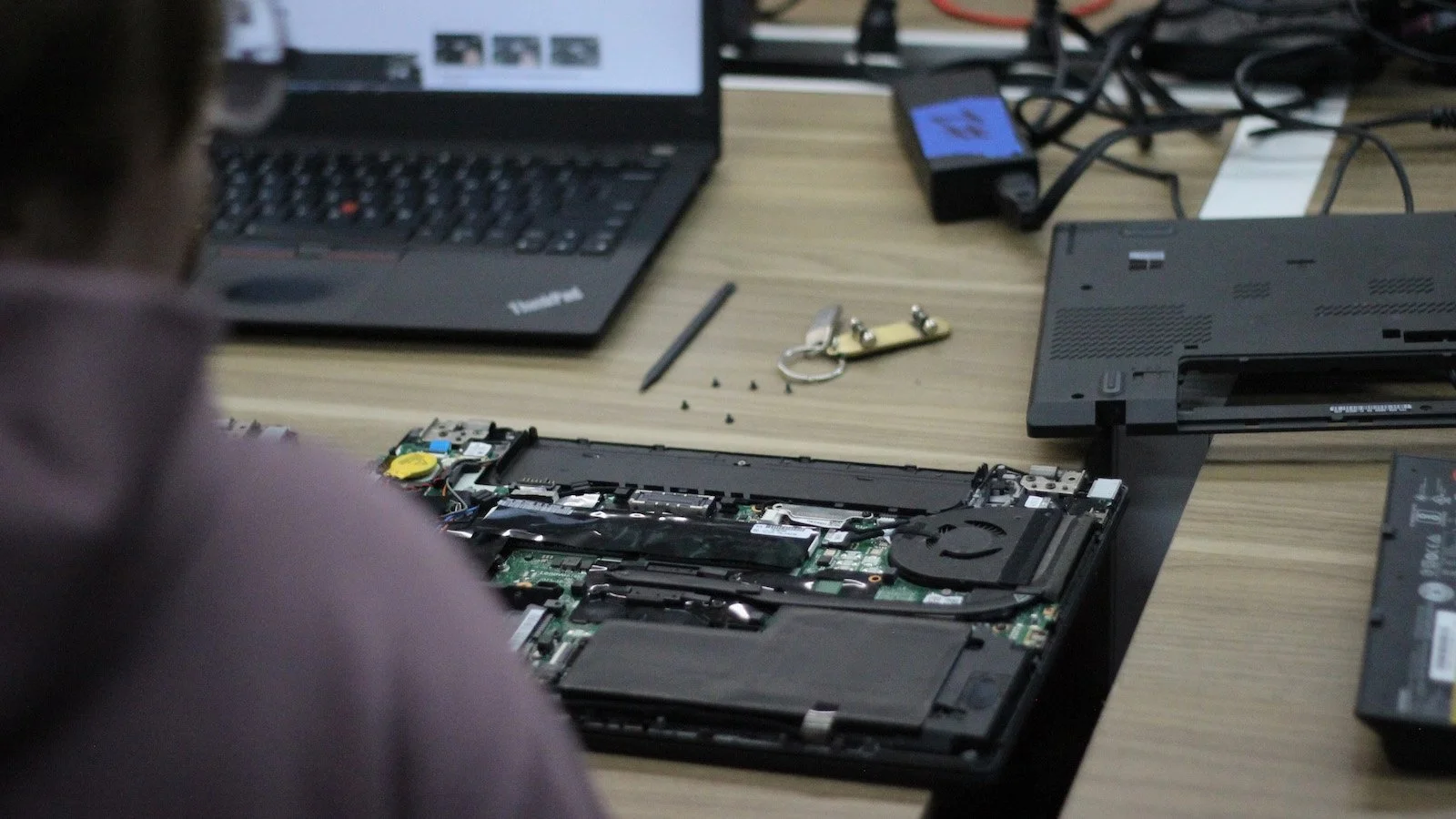
Many of the things we buy today just aren’t built to last. They break too quickly and seem designed to thwart any attempt to repair them. Oftentimes, the manufacturing company is the only option to get something fixed, and without competition, they can change an arm and a leg -- to the point it seems better to just buy a new device.
Manufacturers of everything from toasters to tractors have a clear incentive to control the repair of the products they make -- to either control the repair revenue or force upgrades. As a result we pay more and more for shorter lived devices, draining family pocketbooks and filling up landfills with unnecessary waste.
We think if you bought, you own it -- and that means being able to fix it when it breaks. We are working to address all the ways manufacturers lock out repairs by backing Right to Repair reforms across the board.
We’re a nation of people who choose consumption over repair, and it’s not because we’re lazy or wasteful. We just need companies to give us access to the parts, software and service information we need to fix our stuff.
For example, farmers who are unable to repair their tractors are reverting to using older, repairable models. We don’t want to have to haul our equipment to a dealership for every repair, we just want the chance to do it ourselves, and that means getting access to repair materials manufacturers increasingly withhold.
Repairing what we already own will save us money, reduce unnecessary waste, and give us the satisfaction of being able to reuse and repurpose something that otherwise would have ended up in a landfill.
Momentum is on our side. Right to Repair legislation has passed in Massachusetts , Colorado, New York, Minnesota, Maine, California, Oregon, Washington, Nevada, Texas, Connecticut and Kansas.. Many other states are also moving forward.
From Hawaii to Indiana, Massachusetts to Washington, Right to Repair legislation has attracted bipartisan support as a commonsense reform.