

A fair marketplace for consumers
We need to stop unfair practices and help consumers make smart, informed choices.
We need to stop unfair practices and help consumers make smart, informed choices.
In some ways, it has never been easier to be a consumer. A global marketplace is just one click away, and millions of products and services can be delivered straight to our homes. But today’s marketplace is also full of hidden dangers that threaten our health, safety and financial security.
We help consumers make smart, informed choices in today’s rapidly changing marketplace. We expose unfair practices, point to needed reforms to state and federal consumer protection laws and empower Americans to protect themselves by providing the resources they need.
Highlights of our work:
Protecting Americans from unfair surprise medical bills. Before 2022, one in five Americans who visited an emergency room or had surgery found themselves stuck with a surprise medical bill — even if they made sure to go to a hospital in their insurance network. We helped put an end to one million surprise bills every month when Fair Share joined with a coalition of public interest and health organizations to win passage of the federal No Surprises Act.
Standing up to predatory loans. Right now, high-cost payday lenders are allowed to give loans with triple-digit interest rates to people with low but steady incomes — including veterans. In fact, lenders can demand sums of up to three times the amount of the original loan. This isn't right. We're urging people to ask their U.S. senators to stop predatory lending practices that target our country’s most vulnerable populations.

Protect your data, control your credit
Companies should improve privacy and security to keep our credit and finances safe.
Companies should improve privacy and security to keep our credit and finances safe.
Every few months a major data breach makes headlines. In 2025, it was a breach of 184 million account logins and passwords. The data thieves can use the stolen data to impersonate a company we do business with or even a friend or relative.
Breaches like this will happen again. We need more control over our data, more tools to protect ourselves from theft and stronger repercussions for companies that lose our information.
We stand up to protect the Consumer Financial Protection Bureau’s capacity to enforce strict laws against identity theft, protecting your credit rights, and providing tools to help you recover from fraud.
Credit report freezes stop identity thieves in their tracks.
With our coalition partners, we fought to establish the right of consumers to “freeze” their credit reports to protect them from identity thieves. Only after the 2017 Equifax breach did Congress finally step in and pass a national law to make credit freezes free.
Here's how it works. When you (or an identity thief who’s posing as you) apply for a new credit card or loan, the lender checks your credit reports. If your credit reports are frozen, the lender can’t access them and won’t issue you (or an identity thief) a new line of credit. Consumers can lift the freeze at any time to make a legitimate transaction. This website has all the steps: https://www.usa.gov/credit-freeze
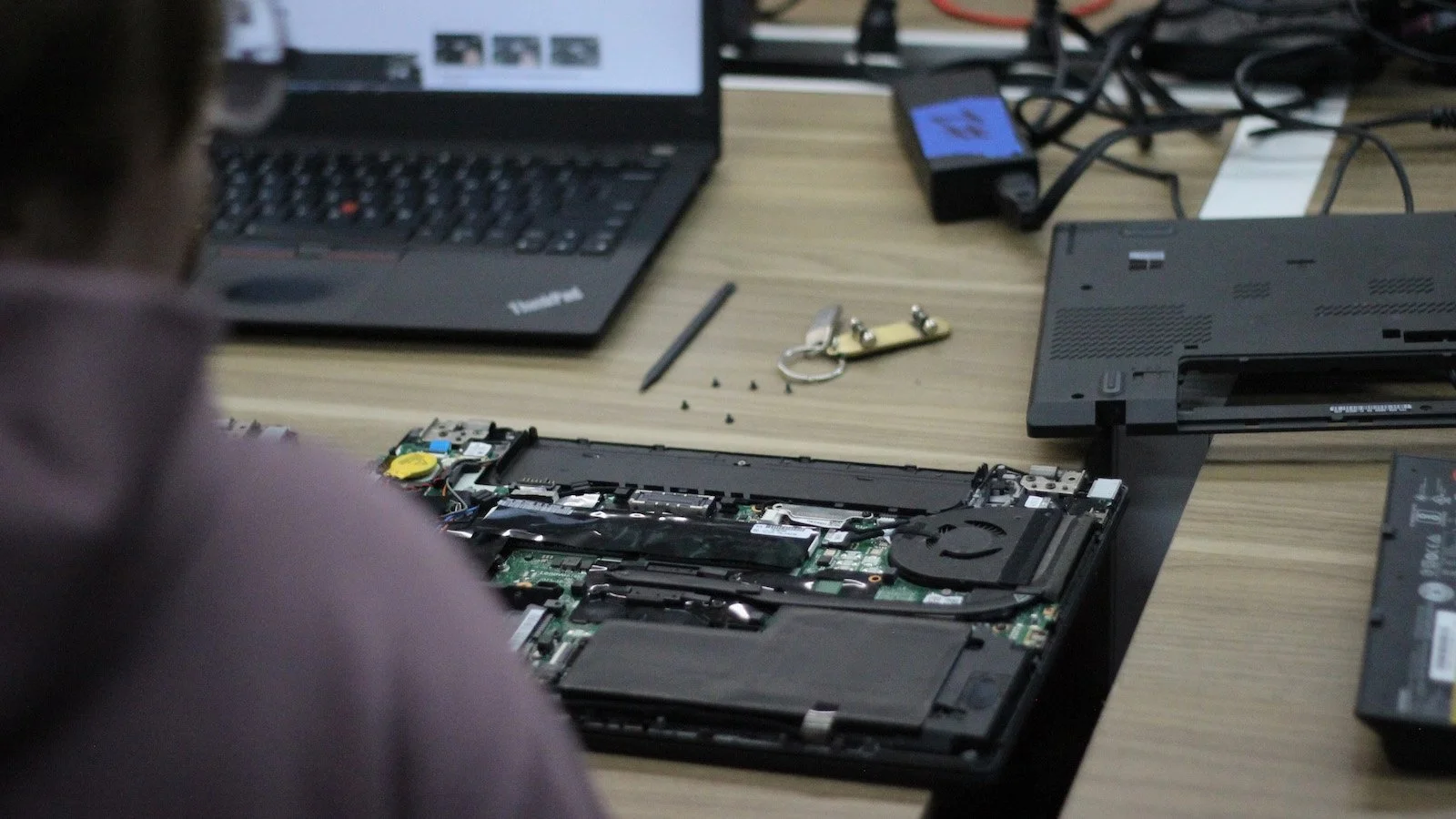
The right to repair
Everyone should be able to repair their own stuff.
Everyone should be able to repair their own stuff.
Many of the things we buy today just aren’t built to last. They break too quickly and seem designed to thwart any attempt to repair them. Oftentimes, the manufacturing company is the only option to get something fixed, and without competition, they can change an arm and a leg -- to the point it seems better to just buy a new device.
Manufacturers of everything from toasters to tractors have a clear incentive to control the repair of the products they make -- to either control the repair revenue or force upgrades. As a result we pay more and more for shorter lived devices, draining family pocketbooks and filling up landfills with unnecessary waste.
We think if you bought, you own it -- and that means being able to fix it when it breaks. We are working to address all the ways manufacturers lock out repairs by backing Right to Repair reforms across the board.
We’re a nation of people who choose consumption over repair, and it’s not because we’re lazy or wasteful. We just need companies to give us access to the parts, software and service information we need to fix our stuff.
For example, farmers who are unable to repair their tractors are reverting to using older, repairable models. We don’t want to have to haul our equipment to a dealership for every repair, we just want the chance to do it ourselves, and that means getting access to repair materials manufacturers increasingly withhold.
Repairing what we already own will save us money, reduce unnecessary waste, and give us the satisfaction of being able to reuse and repurpose something that otherwise would have ended up in a landfill.
Momentum is on our side. Right to Repair legislation has passed in Massachusetts , Colorado, New York, Minnesota, Maine, California, Oregon, Washington, Nevada, Texas, Connecticut and Kansas.. Many other states are also moving forward.
From Hawaii to Indiana, Massachusetts to Washington, Right to Repair legislation has attracted bipartisan support as a commonsense reform.